Car-free European cities: are alternatives like car rental becoming more popular in Lithuania?
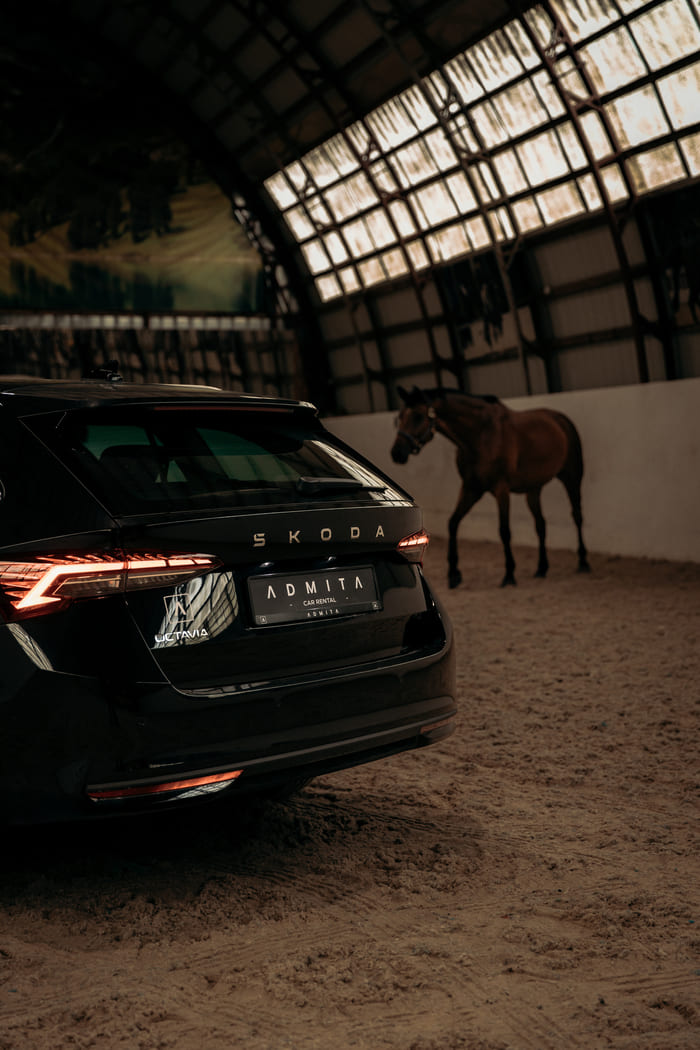
For a long time, the car was considered a symbol of modern living. However, urban mobility trends across Europe are increasingly focusing on different priorities: more space for people, better air quality, lower noise pollution, and convenient movement without the need to own a private vehicle. This transformation does not mean that cars will disappear completely from city streets. Instead, it means that cars are becoming a more purposeful mobility choice — used when truly needed rather than out of habit. In this context, car rental is becoming one of the most natural alternatives, especially for people living in cities who still want flexibility for leisure, work, or travel.
Urban transformation across Europe
The European Commission defines sustainable urban mobility through Sustainable Urban Mobility Plans (SUMPs) — strategic plans designed to meet the mobility needs of residents and businesses while improving overall quality of life across entire urban areas and transport networks. In practice, these plans often involve greater investment in public transport, pedestrian and cycling infrastructure, traffic management, and access control systems.
Environmental concerns are also an important factor. According to the European Environment Agency, transport accounts for a significant share of greenhouse gas emissions in the European Union and directly impacts air quality and public health. This is one of the key reasons why European cities are searching for ways to reduce pollution and traffic noise.
What does this mean for drivers?
For drivers, this often means adapting to a new reality. More cities are introducing restrictions and low-emission zones that travellers need to understand before entering urban areas. Paris, for example, continues to expand its low-emission zone (ZFE) through gradual implementation phases and transition periods. These developments clearly show the direction European cities are moving towards: drivers increasingly need to understand local regulations, plan routes more carefully, and accept that the car is no longer always the primary transport option in city centres.
At the same time, this does not mean that cars are becoming unnecessary. Instead, cars are increasingly used with a specific purpose in mind: trips to regional areas, airports, countryside destinations, weekend getaways, large shopping trips, or family logistics.
Why car rental is becoming an alternative to car ownership
Attitudes towards mobility are changing in major European cities. More people now value access over ownership and prefer using services only when they are actually needed. This trend is becoming visible in Lithuania as well, where car rental is no longer used only by tourists or business travellers but is increasingly becoming part of everyday urban mobility.
Owning a car was long considered essential, but today people are evaluating not only fuel expenses but also parking costs, insurance, maintenance, and vehicle depreciation. In many cities, private cars spend most of their time parked and unused. Because of this, short-term car rental is becoming a rational choice for people who only need transportation in specific situations.
Car rental in Vilnius is especially relevant for people who normally travel by public transport, bicycle, or on foot during the workweek but still want the flexibility to leave the city during weekends, visit the seaside, reach the airport, or travel to other Lithuanian cities. In such situations, a rental car provides freedom without long-term financial obligations.
A similar trend can also be seen in Kaunas and Klaipėda. Car rental in Kaunas is becoming increasingly popular not only among airport travellers but also among business clients and families who need a car for a short period of time. Meanwhile, car rental in Klaipėda is often chosen for seaside travel and trips to neighbouring countries.
It is also important to note that rental companies today offer a much wider range of vehicles than in the past. Customers can choose economical city cars, SUVs, passenger vans, motorcycles, or even luxury car rental services. This flexibility allows travellers to select the most suitable vehicle for every situation and use a car only when it is truly needed.
Car rental in Vilnius and Kaunas as a flexible mobility solution
Within this mobility model, car rental in Vilnius and car rental in Kaunas function as flexible solutions for situations where transportation is only temporarily necessary. If daily movement around the city is already convenient by public transport or on foot, renting a car becomes useful for specific situations such as weekend trips, business travel, temporary projects, or family journeys. This significantly reduces the ongoing burden of parking, maintenance, and ownership costs while still maintaining personal mobility.
Car rental also makes it easier to adapt to modern urban realities. For example, if you are planning to travel abroad with a rental car, it is recommended to inform the rental company in advance so that insurance coverage and documentation fully comply with international travel requirements.
Short-term and long-term car rental in the future of cities
Short-term car rental fits naturally into the concept of car-free cities. You do not own a car every day, but you still have access to one whenever you actually need it. Long-term car rental can serve as a middle-ground solution for people who require a car continuously, for example due to work, but do not want the financial commitment and responsibility of ownership.
Both solutions allow people to use vehicles in situations where cars remain practical while reducing the constant presence of private cars in city centres.
The future of urban mobility also involves more planning and awareness. Different traffic regulations, fuel policies, parking systems, and access restrictions are becoming increasingly common across Europe. This is why understanding rental conditions — such as vehicle inspections, fuel rules, and documentation requirements — is becoming more important for travellers.
Is Lithuania moving in the same direction?
Lithuanian cities are also gradually moving towards more integrated mobility solutions. There is increasing attention being paid to traffic flow management, alternative transportation methods, and improving public urban spaces. Overall European trends suggest that future mobility will become increasingly combined: alongside public transport and shared mobility platforms, there will still be many situations where a car remains necessary, although not necessarily privately owned.
The future of mobility: combining different transport methods
Experts increasingly discuss multimodal mobility — a model where several transport methods are combined during a single journey. City residents may use public transport daily, choose cycling or walking for short distances, and rely on car rental services for longer trips. Such systems help cities use infrastructure more efficiently while reducing traffic congestion in central urban areas.
This trend is especially visible among younger drivers and remote workers. In the past, owning a car was considered essential for everyday life, but today many people value flexibility more highly. One week they may need a compact city car, while the next they may require a passenger van for a family trip or an SUV for travelling across the Baltic States.
Long-term car rental is also becoming an alternative to purchasing a vehicle outright. It allows drivers to use newer cars without worrying about maintenance, insurance, or depreciation costs. This option is increasingly attractive to both business clients and private customers who value financial predictability and flexibility.
At the same time, the importance of additional mobility services continues to grow. Car rental with delivery, airport parking services, and the ability to return a vehicle in another city or country are quickly becoming expected standards rather than optional advantages. Mobility is increasingly viewed as a complete service where convenience matters more than vehicle ownership itself.
Because of this, it is likely that car rental services in Lithuania will continue growing in importance. Cars will remain an important part of mobility, but they will increasingly be used according to specific needs rather than as a permanent daily necessity.
Conclusion
If you live in a city and want to stay mobile according to your own needs, it is worth exploring ADMITA solutions, including short-term and long-term car rental as well as airport parking services. Contact us for more information today.